Woks have long claimed a prized spot in kitchens round the world. From fiery stir-fries in Guangzhou to abode-fried noodles in Brooklyn, those deep, sloped pans have helped generations of chefs deliver warmth and flavor jointly in mins. But in the event you’re buying a wok that might closing, two elements lead the p.c.: solid iron and carbon steel. Both have their diehard fanatics and varied personalities. If sturdiness is your predominant main issue, regardless that, the decision isn’t as elementary as opting for the single that “lasts longer.” Real-global use is extra intricate.
Let’s dig into how solid iron woks stack as much as carbon metal by way of durability, resilience, and a lifetime of correct cooking.
The Nature of Cast Iron vs Carbon Steel
Both forged iron and carbon metallic are kinds of iron alloyed with carbon. The change lies in each the volume of carbon current and the way they’re made.
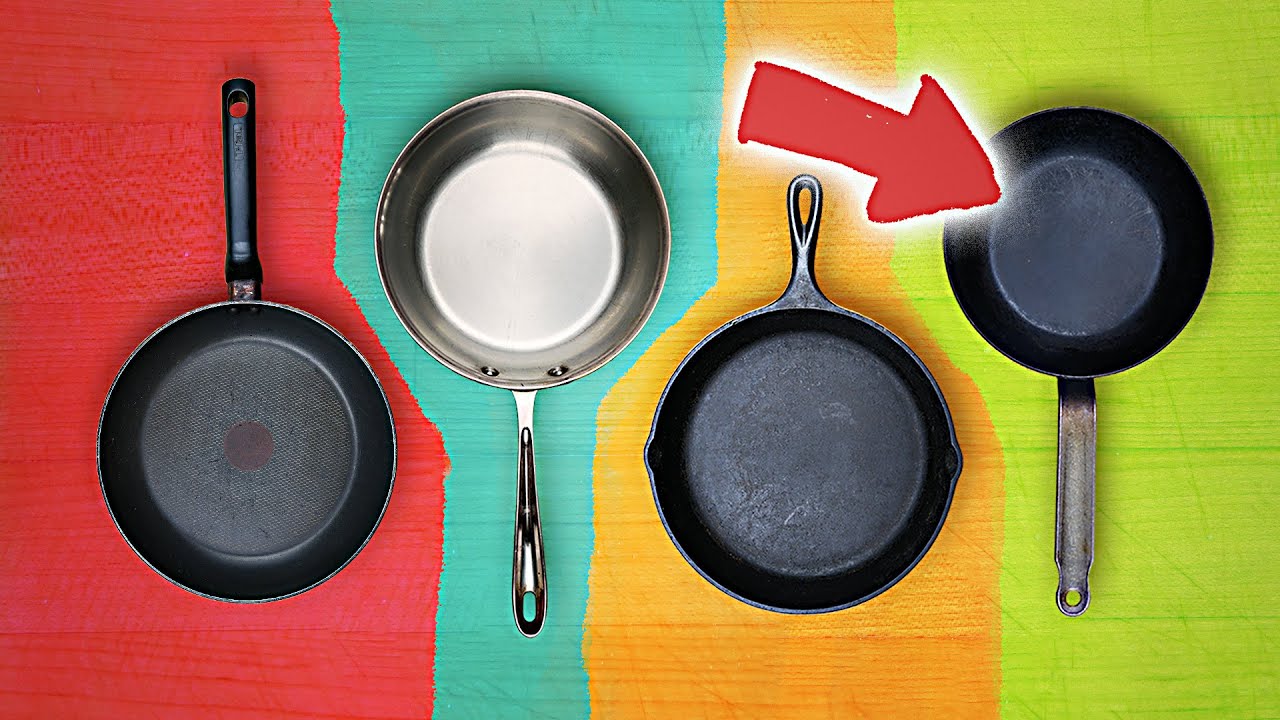
Cast iron carries more carbon (by and large 2-four %) and is poured molten into molds - for that reason “forged.” It’s dense, somewhat brittle, and generic for its heft.
Carbon steel consists of much less carbon (round 0.five-1 percent), giving it flexibility and malleability. It’s rolled or hammered into form as opposed to poured.
These characteristics shape not simply how every one wok feels yet additionally how it stands up to time.
Strength Isn’t Everything
People primarily equate weight or thickness with longevity. Cast iron feels indestructible on your hands; most vintage woks weigh 8 to 12 pounds or more. That mass has its virtues: even warmth distribution, rock-reliable balance on a burner, and an basically ceremonial presence at the stovetop.
But there’s a turn facet. Cast iron’s density makes it less forgiving below affect or surprising temperature swings. Drop it onto a tile flooring or warmness it too %%!%%1d7b75be-1/3-4654-924c-80ab3de59c8b%%!%% at the same time cold, and it might crack or perhaps shatter. I’ve considered classic cast iron pans break up blank from an unintended knock in opposition t a sink area.
Carbon steel woks are much lighter - most often 2 to 5 pounds for same sizes - yet don’t mistake lightness for weakness. Their thinner walls flex under stress as opposed to destroy, giving them a stunning sturdiness against knocks and bangs.
If you have kids who desire to help out inside the kitchen otherwise you generally tend to cook at strange hours once you’re now not continually at your so much coordinated, it will make the entire distinction.
Real-World Durability: Kitchen Life
Heat Tolerance
Wok cooking manner high warm - that’s half of the element. Both components excel right here compared to aluminum or nonstick options.
However, there are subtleties:
- Cast iron heats slowly however keeps warm like no different. This works superbly for searing proteins or preserving meals warm. Still, that identical excellent ability when you overheat an empty solid iron wok, you probability warping or cracking. Carbon metallic heats up instant and cools down %%!%%1d7b75be-1/3-4654-924c-80ab3de59c8b%%!%%, supplying you with nimble regulate over temperature shifts. It handles thermal surprise improved; which you can toss bloodless cabbage into a scorching pan without tense approximately wreck.
I once left a solid iron wok on complete blast whilst prepping elements for only a couple minutes too lengthy. The base developed hairline cracks from the immediate growth. My historical carbon metallic wok has survived worse abuses with only a few scarring.
Impact Resistance
Here the tables turn. A dropped solid iron wok won't dent, but if it lands improper, it might probably damage. Carbon steel, however, may well develop warps or bends if mistreated yet is not going to fail catastrophically.
I’ve visible restaurant kitchens wherein battered old carbon steel woks hold churning out cuisine after being accidentally tossed onto concrete floors for the duration of busy rushes. They may well come away bent out of shape but hardly ever come to be unusable.
Rust: The Silent Enemy
Neither drapery is stainless; either need care to steer clear of rust. Seasoning - building up layers of polymerized oil - protects equally types and improves their nonstick overall performance.
But there are distinctions:
- Cast iron is more porous, so moisture can seep deeper if no longer kept dry and oiled. Left left out, rust can consume pits into its surface. Carbon steel rusts speedier however greater superficially; rust sometimes looks as floor film rather than deep pitting.
If you are living in a moist climate or now and again fail to remember to dry your cookware utterly after washing, this things. I’ve rescued historical rusted carbon steel woks with a few elbow grease and re-seasoning. Deeply pitted cast iron pans are tougher to fix.
Longevity Under Heavy Use
Professional kitchens provide a pressure-test surroundings for cookware. In Chinese restaurant settings wherein woks get blasted by means of roaring gasoline jets all day, most cooks prefer carbon metal for a explanation why: it stands up to heavy use, cleans up fast among dishes, and tolerates difficult handling.
But there’s a caveat - such a lot restaurant cooks use spherical-bottomed woks over really good burners. Home chefs by means of flat-bottomed woks on electrical stovetops may to find cast iron’s balance an asset.
At domestic, either style can last a long time with care. My own grandmother’s cast iron wok observed weekly use for over forty years ahead of retiring with simplest minor scars from occasional rust battles. My first carbon steel wok has survived the entirety from burnt peanut sauce to being accidentally left external on a wet evening.
Maintenance: An Honest Comparison
Durability isn’t on the subject of what takes place after you drop your pan or crank up the warmth. It’s additionally about how an awful lot paintings goes into protecting your wok in upper structure.
Seasoning Rituals
Both styles call for seasoning earlier than first use (except pre-professional on the manufacturing facility). The job consists of heating oil until it polymerizes into a tough coating, which provides security from rust and supports nutrition free up easily.
Seasoning sticks nicely to either components yet has a few quirks:
- Cast iron’s rougher floor supplies oil greater puts to seize on; seasoning builds thickly but may additionally flake if overheated. Carbon metallic’s smoother surface calls for greater thin layers for most effective effects; initial seasoning might take place patchy however evens out with use.
Many wok householders in finding that carbon metal “breaks in” sooner with on daily basis cooking, establishing an very nearly glassy black patina through the years. Cast iron seasoning tends to be thicker yet more prone to chipping if scrubbed not easy or subjected to unexpected thermal shock.
Cleaning Realities
Some suggestion says not at all use soap on either form; in truth, a bit of light soap received’t spoil seasoning if rinsed at once. Avoid soaking each versions. For burnt-on bits, salt scrubs paintings wonders.
Carbon metal’s lighter weight makes scrubbing less demanding on wrists - whatever I enjoy on busy weeknights after three rounds of fried rice for hungry teenagers.
Repairs and Restoration
Carbon steel has an area right here for DIY fixes. Rusty? Scrub off the rust with metal wool, dry entirely, and reseason. Warped? Some woks would be gently hammered lower back into shape.
Cracked solid iron is every other tale. There’s no user-friendly repair for breaks or deep pits. Small chips should be smoothed out, however once structural integrity is going, replacement is oftentimes the only alternative.
The Feel Factor: Ergonomics Meet Endurance
Durability isn’t almost how lengthy one thing lasts however also how delightful it's to take advantage of over time.
A heavy solid iron wok is additionally unwieldy for tossing nutrients - rather while full. Some versions come with wooden helper handles for 2-handed lifting, which helps however provides bulk. If you've got wrist or shoulder matters, this issues.

Carbon metal woks are pale sufficient for one-passed tossing even when loaded with greens or noodles. Their thinner partitions mean they reply %%!%%1d7b75be-1/3-4654-924c-80ab3de59c8b%%!%% to burner differences - very important for soft sauces or rapid sears.
If you desire some thing you’ll reach for day to day with no dreading cleanup or strain, weight turns into element of the sturdiness equation.
Edge Cases: Induction Cooking, Camping, Outdoor Kitchens
Certain situations tip the scales for one subject matter over any other.
- Induction stoves require magnetic cookware; the two cast iron and such a lot carbon steel paintings good right here. For open-fireplace cooking (tenting trips, yard barbecues), cast iron’s sturdiness shines however beware of cracks from asymmetric heating across sizzling coals. If you journey with your cookware (imagine cuisine trucks), carbon metallic offers portability with out sacrificing sturdiness. In climates with serious humidity or salt air (coastal properties), conventional preservation will become relevant for equally kinds - however exchanging a rusted-out carbon metal wok is much less painful at the pockets.
A Side-through-Side Snapshot
A quick table helps make clear in which each and every subject material excels:
| Feature | Cast Iron Wok | Carbon Steel Wok | |----------------------|-------------------------|--------------------------| | Weight | Heavy (eight-12 lbs) | Light (2-five lbs) | | Heat Retention | Excellent | Good | | Heat Responsiveness | Slow | Fast | | Impact Resistance | Brittle (may additionally crack) | Dents/warps however infrequently breaks | | Rust Susceptibility | Deep pitting that you can think of | Surface rust commonly used | | Seasoning | Thick yet chips/flakes | Builds easily | | Ease of Restoration | Difficult if cracked | Easy to repair/reseason | | Cost (everyday) | Moderate | Often more cost effective | | Ergonomics | Bulky/heavy | Nimble/mild |
A Few Practical Scenarios
To spotlight commerce-offs beyond specifications, right here’s how every single sort holds up in real kitchens:
Home Cooks With Electric Stoves
Flat-bottomed cast iron woks sit flush on electric powered coils or glass tops, dispensing warmth frivolously throughout their base. Their weight prevents tipping while stirring vigorously. If you rarely toss ingredients through hand (by using spatulas as a substitute), this stability is welcome.
Fast-Paced Stir-Fry Lovers
If you crave restaurant-sort wok hei - the elusive “breath of the wok” flavor - carbon steel offers the agility needed for rapid tossing over prime flames. Its lighter construct makes it possible for for dramatic flicks with no wrist pressure.
Multi-Generational Heirlooms
Both versions can ultimate a long time, yet forged iron most of the time will become domestic heirlooms because of their iconic seem to be and sense of permanence. There’s whatever enjoyable approximately passing down a wok that has seasoned by way of generations of foods.
Forgetful Cleaners
If you on occasion fail to remember to dry your pan excellent after washing (or get distracted via teenagers/pets), carbon metallic bargains easier recuperation from minor rust incidents.
When Durability Meets Value
Price enters the equation too. A https://www.cookwarereviewhub.com/ nice solid iron wok probably expenses $35-$70, based on logo and dimension; hand-hammered carbon metallic models routinely run $25-$50. Neither is prohibitively pricey in comparison to top class nonstick possible choices that wear out in two years.
But replacement payment matters much less once you deal with your wok as an funding - something that will get greater with age in preference to worse.
Quick Reference: Durability Checklist
If you need an at-a-glance feel of what subjects such a lot for lengthy-time period longevity:
Can you raise the wok easily whilst complete? Are you seemingly to drop it? If so, lighter is perhaps more secure. Will you preserve seasoning repeatedly? Do you desire nimble tossing or reliable balance? Is elementary fix fantastic if rust develops?This record is helping attention on factual-existence needs as opposed to simply specifications on paper.
Final Thoughts: Which Material Wins?
If natural longevity had been all that mattered - assuming careful dealing with - solid iron most probably outlasts so much householders. Its mass resists warping, its seasoning gets richer with time, and its traditional lines appearance really good decade after decade.
But kitchens aren’t museums. They’re chaotic locations where issues get dropped, scorched, left soaking in a single day, or handed off to children learning their first stir-fry moves.
For such a lot chefs in search of long lasting efficiency day in and day out, carbon metallic bargains an essentially unbeatable mixture of sturdiness, repairability, ease of coping with, and price. With usual care, it shrugs off abuse that would doom heavier competitors.
Still, there’s a spot for both: cast iron after you crave substance and records; carbon steel after you desire velocity and resilience.
Either means, deal with your wok good and this may outlive several nonstick pans - bearing memories (and stains) from every meal alongside the manner.